
Fixed RAIN RFID reader
Impinj R700
A networked reader for designed capture points such as a return area or doorway. External antennas define where tags are read.
In integrationDesigned fixed read zones with external antennas
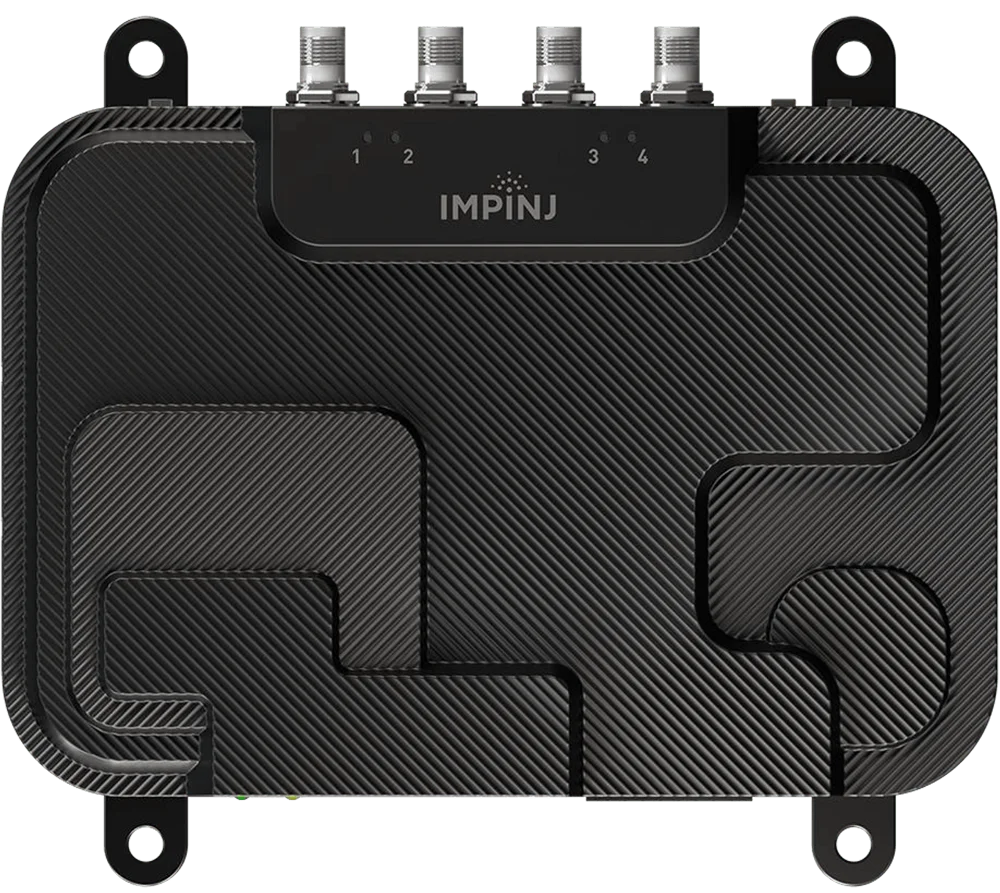 Hardware selection is part of the project.
Hardware + software
How it connects to Ledger
This listing is an invitation to assess a project, not a promise of an out-of-the-box Ledger connection.
The R700 is in integration with Ledger. It is not presented as a completed, generally available Ledger setup. We assess the reader revision, firmware, data interface, antenna layout and required workflow before agreeing scope, cost and timing.
- Ledger application
- Ledger Fixed Reader Integration
- Connection
- Network-connected reader with a project-specific antenna layout
- Workflow fit
- Fixed capture points, Assessed project workflows
Technical overview
Specifications
Impinj now describes an R700 series, including an upgraded reader. Specifications and interfaces depend on the exact revision. Confirm the quoted unit's datasheet rather than assuming every R700 is identical.
- RFID type
- Passive UHF / RAIN RFID
- Form factor
- Fixed network reader with external antennas
- Network and power
- Gigabit Ethernet; current R700 comparison specifies 802.3at PoE+
- Native antenna ports
- Four, with compatible external antennas selected for the installation
- Data integration
- Impinj IoT Device Interface; native MQTT support in the manufacturer's platform
- Antenna expansion
- Up to 32 antennas using compatible Impinj antenna hubs; design and accessories required
- Edge processing
- On-reader application support; capabilities vary by reader revision
- Current revision edge processor
- 1 GHz dual-core 64-bit processor; earlier R700 hardware uses a different processor
- Current revision memory
- 1,024 MB RAM and a 768 MB custom-application partition
- Dimensions, mounting and environmental limits
- Confirm the current regional SKU's mechanical drawing and enclosure requirements before installation
Models & configuration options
Choose the complete setup, not just the product name.
Where it fits
Use these examples to assess the device against your assets and process.
Return-area assessment
Explore a capture point where tagged assets pass through a known area. The workflow must distinguish useful observations from nearby assets.
Doorway or passage capture
Assess antenna positioning and operational rules for assets moving through an opening. A tag read alone does not establish direction of travel.
Larger read-zone projects
Consider antenna expansion where several areas need coverage, with throughput and integration work assessed for the whole installation.
Before you choose
- A manufacturer API or MQTT capability does not mean a ready-made Ledger connector is available. Integration remains project-scoped.
- External antennas, cables, mounting, power and network access are part of the installation.
- Check reader revision, dimensions, environmental limits and local radio suitability before designing the enclosure or ordering hardware.
Supply & implementation
Hardware supply & support
Enquire for an assessed project. Hardware availability, antenna selection and Ledger integration effort are quoted separately as appropriate; no completion date is implied by this listing.
Hardware supply, warranty and support responsibilities are agreed as part of your project. Standard hardware and implementation services are in New Zealand; international software enquiries are welcome.
Ask about R700Manufacturer information
Technical information reviewed 2026-10-15. Manufacturer specifications do not expand Ledger's validated compatibility. Confirm the exact supplied SKU before purchase.
Related hardware
Choose a tag for the asset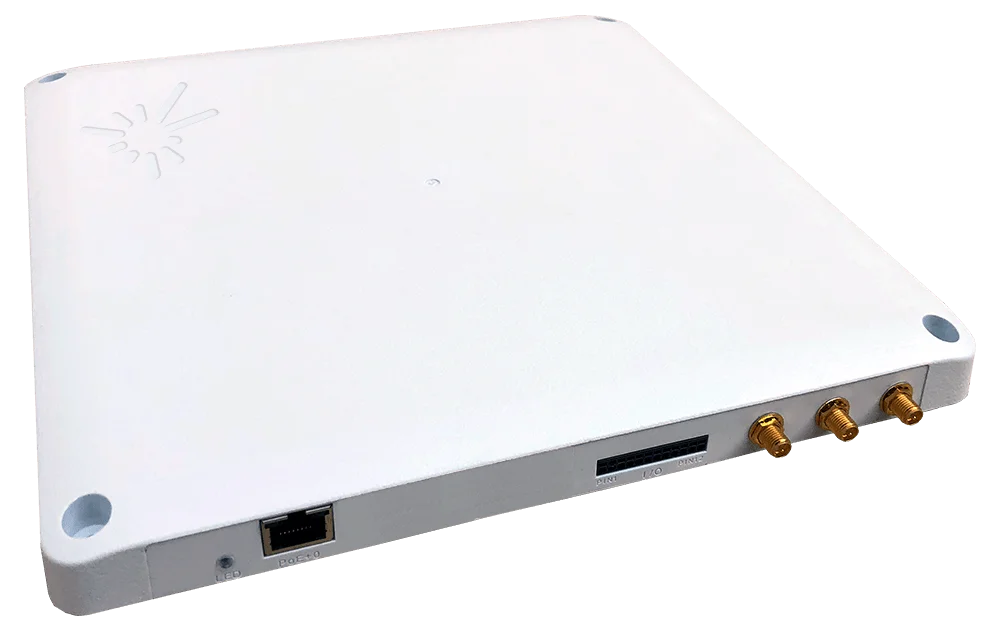
Sensthys SensArray Core
An integrated-antenna reader for a fixed capture point, with additional antenna connections for an assessed installation.
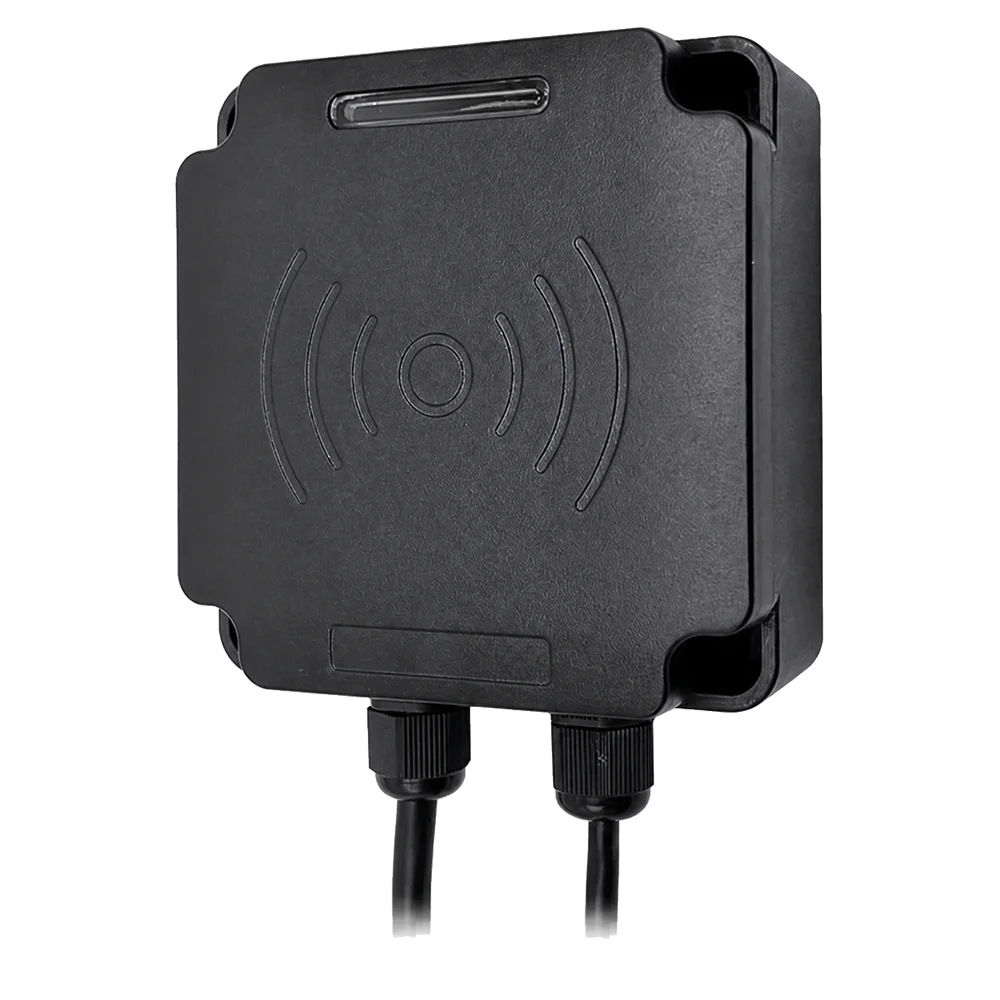
Tenhanyun TY200
A compact integrated reader for configured capture points. Ledger processes network-delivered observations for agreed returns, alerts and activity workflows.