
Graduation and regalia
Keep regalia records with the pace of the event.
Record regalia issued to recipients, process suitable RFID-tagged returns and review what remains outstanding while the ceremony context is still current.
Software, suitable hardware and implementation in New Zealand.
Regalia issued and returned.
Review what returned and what still needs follow-up.
Know the return position sooner.
Concentrated issue periods, many recipients and reusable garments put pressure on manual records. Delayed reconciliation makes it harder to see what is out and where follow-up should start.
Recipient-linked records
Connect regalia with the intended recipient during the issue workflow.
A defined returns process
Use RFID capture to process suitable tagged garments as they return.
Outstanding regalia
Review what remains issued and begin follow-up with the recipient context available.
The workflow
From preparation to return reconciliation.
Bring together recipient and order information, physical garment identification and the operator’s event workflow.
Prepare the event records
Start with the recipient or order information and registered regalia assets.
Record the issue
Scan the garments for the intended recipient and complete the issue workflow.
Capture returns
Process suitable RFID-tagged garments through the agreed return area.
Review outstanding regalia
Check the records for garments still issued and investigate the situation.
The setup
Design for garments and busy return periods.
Tag choice, the return area and staff practice all influence the capture result. Plan them around the physical operation.
Garments and tags
Assess placement and suitability for the garment and its handling process.
Return-area design
Agree how garments reach the reader and how staff handle exceptions.
Recipient and order data
Use the available records and scope any connection to an existing ordering system.
Implementation experience
Issue and return at graduation pace.
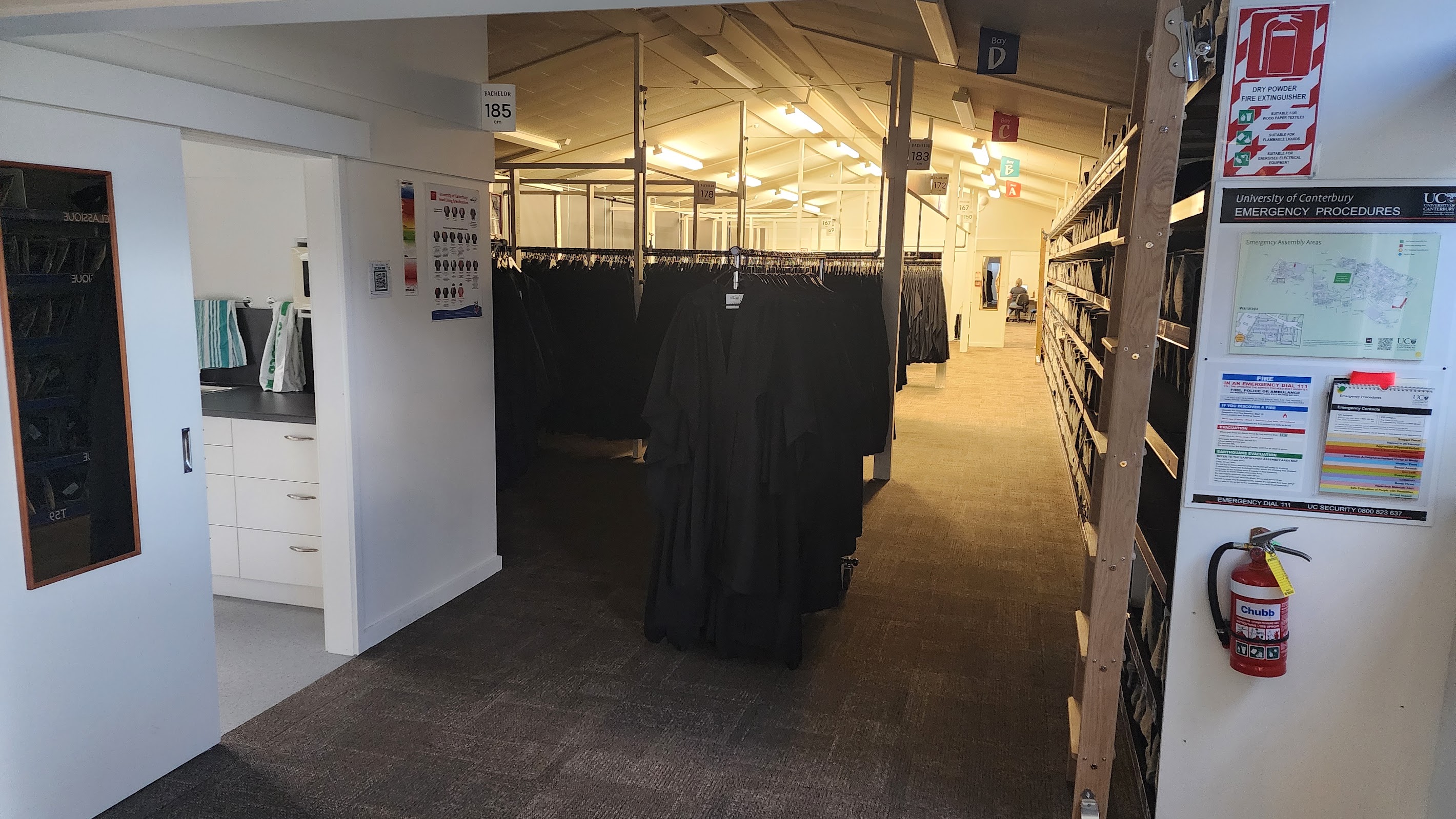
GWC uses Ledger for graduation regalia issue and return. Its implementation connects recipient and order information with RFID capture so staff can review what has returned and what remains outstanding.
Read the implementation storyGetting started
Software, hardware and a workflow that fits.
For New Zealand projects, we bring Ledger software, suitable RFID equipment and implementation together. We start by assessing your process, then demonstrate the relevant workflow.
You bring knowledge of the operation, your existing records and a person who can own the rollout.
Assess the workflow
Agree what needs to be recorded, where scanning can happen and what staff need to know.
Define the setup
Assess tags and readers, existing data and any integration work. Agree scope, costs and support responsibilities.
Put it into practice
Configure the agreed workflow and plan how staff will use it. Start with a manageable part of the operation.
What goes into the cost?
Project scope covers software access, hardware and tags, and implementation. Any additional integration work is scoped separately. We discuss these components once the workflow and equipment needs are understood.
Outside New Zealand?
International software enquiries are welcome. Wider hardware and implementation support can be discussed for substantial projects.
Explore compatible hardwarePractical answers before you start.
Bring your process and equipment questions to the workflow assessment.
Can RFID process garments in volume?
A suitable RFID setup can observe multiple tagged garments without presenting each tag individually. The garment mix, tag placement and return-area design need assessment.
Can we use existing recipient or order records?
We assess the available data and the required connection to Ledger. Suitable records or CSV data can be a starting point.
Does missing from the scan mean lost?
No. A scan is an observation. Review the recorded returns and investigate outstanding garments before drawing a conclusion.
What implementation work is involved?
The assessment covers tags, readers, capture points, records and staff practice. The agreed project scope defines setup, integration and support responsibilities.
Start with your workflow
Assess the workflow. See Ledger in action.
We’ll talk through your process, assess the scanning and record requirements, then demonstrate the relevant Ledger workflow.
Discuss your regalia workflow Or check your RFID readiness